
 Wisconsin Air Duct Pros
Air duct & dryer vent cleaning
Air Duct & Dryer Vent Cleaning for Wisconsin Homes and Duplexes
Wisconsin Air Duct Pros is the Wisconsin name of USA Air Duct Pros for home air duct and dryer vent cleaning. Use the estimate form to share your ZIP code and a few details, and we'll confirm availability at your address before scheduling.
$99 Basic Air Duct Cleaning + FREE Inspection | $79 Basic Dryer Vent Cleaning
- Inspection before cleaning
- Floors & furnishings protected
- Air ducts & dryer vents
- Scope confirmed in your estimate
 Illustrative image
Choose Your Cleaning Service
Two basic cleaning options. Choose the service you need and request an appointment.
Basic Air Duct Cleaning
$99Basic cleaning with an inspection included at no extra charge.
FREE Inspection Included
We confirm exactly what's covered for your home when we contact you, before any appointment is scheduled.
Available in confirmed service areas. We confirm availability for your address before scheduling.
Get the $99 OfferSee What's Included
Basic Dryer Vent Cleaning
$79Basic dryer vent cleaning.
We confirm exactly what's covered for your home when we contact you, before any appointment is scheduled.
Available in confirmed service areas. We confirm availability for your address before scheduling.
Get the $79 OfferSee What's Included
The free inspection is included with Basic Air Duct Cleaning only.
Wisconsin services
Air Duct & Dryer Vent Cleaning in Wisconsin
Two focused services with a clear scope — here's what each involves for homes in the state.
Air Duct Cleaning
Most Wisconsin homes heat with a furnace and ductwork, and in much of the state that system runs through a long, cold season. We remove built-up…
Learn more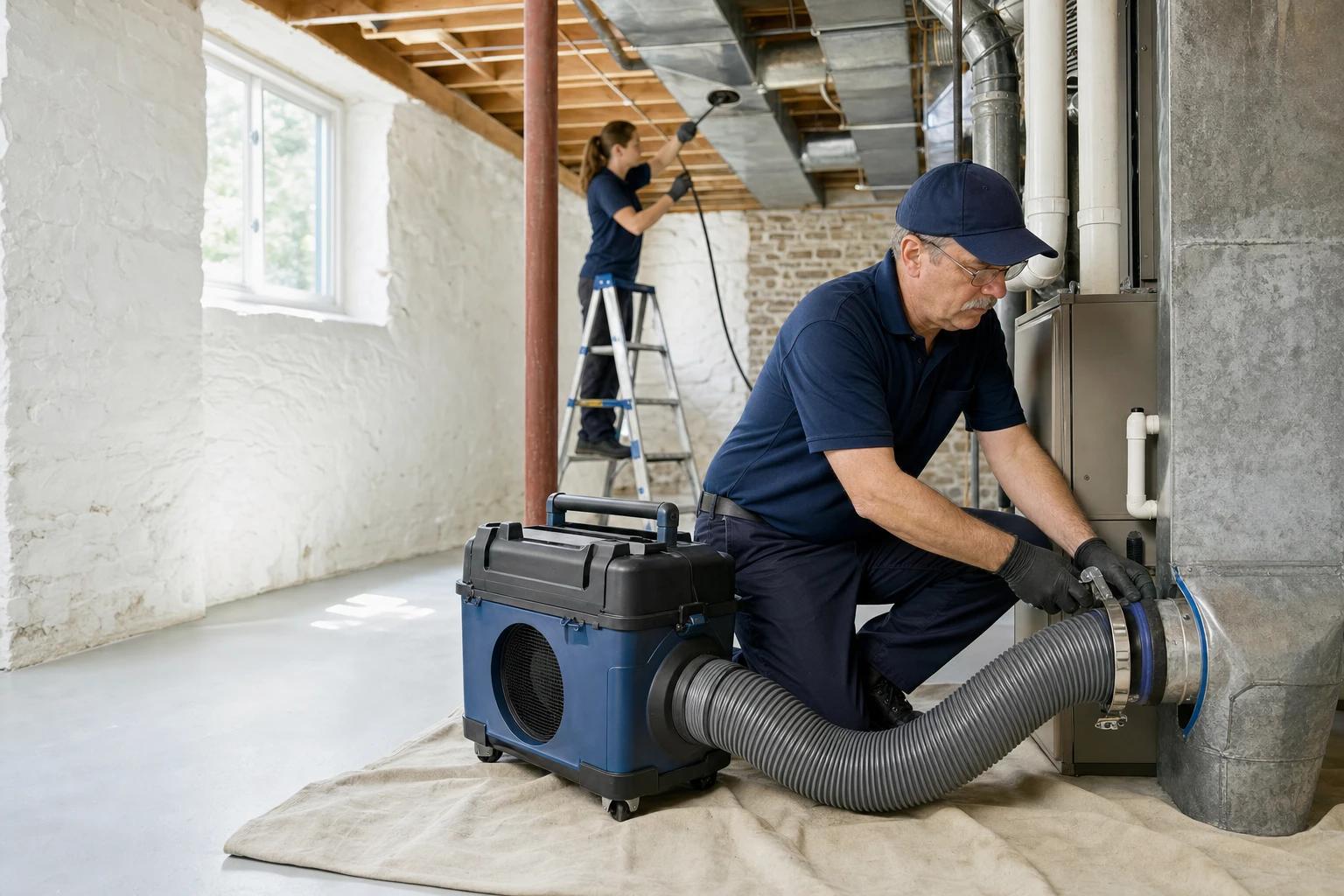
Dryer Vent Cleaning
A Wisconsin dryer vent deals with lint all year and, in winter, snow and cold at the outdoor hood. Cleaning removes lint from the duct and hood to…
Learn more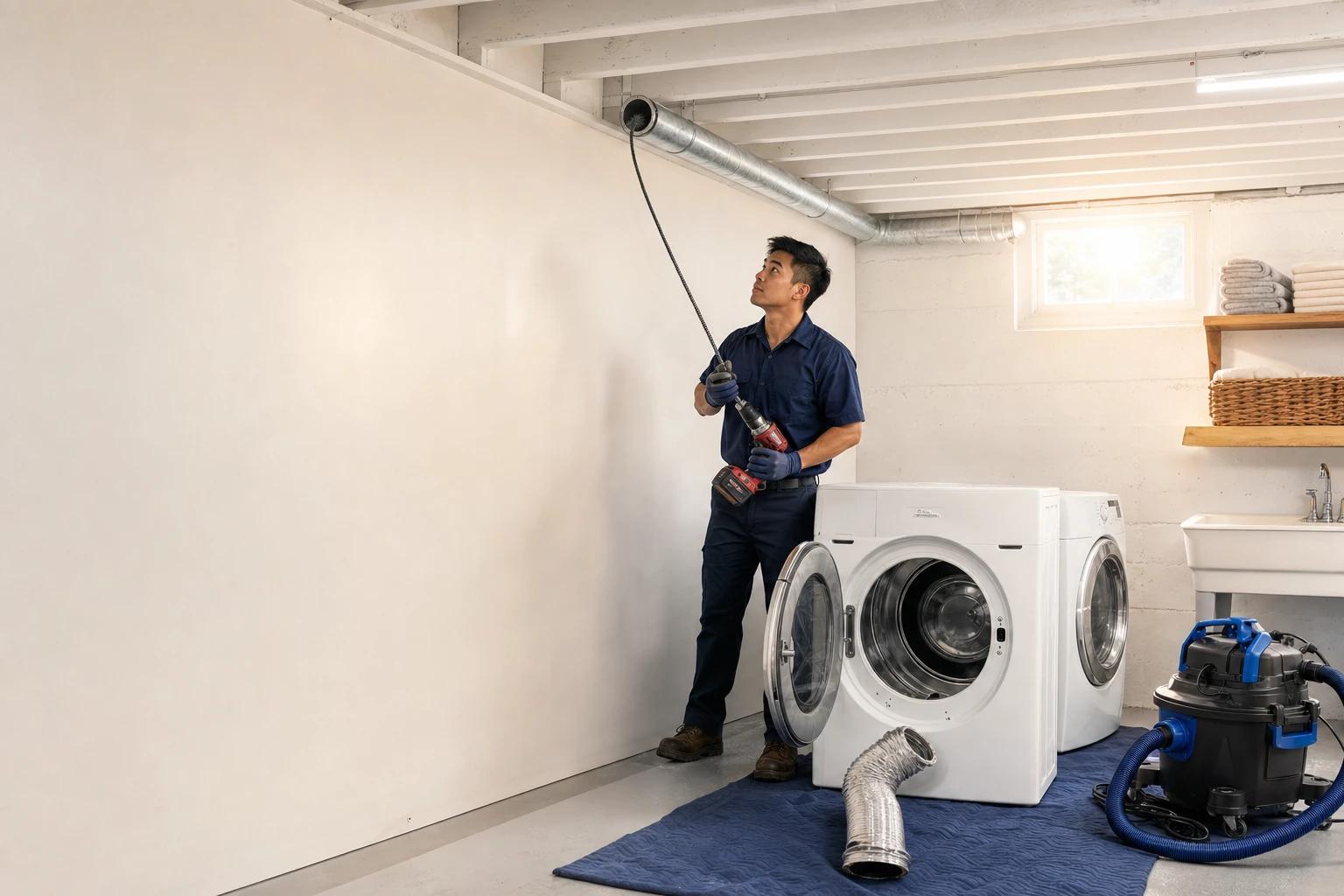
Local to Wisconsin
What Wisconsin Homes Have in Common
Cold winters in the south, frigid ones up north
NOAA's climate summary puts Wisconsin's annual average temperature at about 39°F in the north and 50°F in the south. The south has cold winters and mild to hot summers; the north has frigid winters and generally cool summers with brief bouts of excessive heat.
The 2021 International Energy Conservation Code (IECC) climate map, compiled by county by Pacific Northwest National Laboratory for the U.S. Department of Energy, places southern and east-central counties such as Milwaukee, Dane, Waukesha, Racine, Kenosha, Outagamie and Winnebago in cold zone 5A; every Wisconsin county now in zone 5A was moved there from zone 6 in that update. Counties such as Brown, Eau Claire and Marathon are zone 6A, and the far northern counties, including Ashland, Bayfield, Douglas and Vilas, moved from very cold zone 7 to zone 6.
Sources: NOAA NCEI: Wisconsin State Climate Summary; PNNL for U.S. DOE: Guide to Determining Climate Zones by County, Building America and IECC 2021 Updates (PNNL-33270)
Snowfall from about 30 inches to more than 100
NOAA reports that snowfall varies from about 30 inches a year in the south to more than 100 inches along the Gogebic Range in the far north, partly because of lake-effect snow on the south shore of Lake Superior.
In the snowier areas, wall-mounted exhaust vents near the ground need checking after storms. The U.S. Fire Administration advises making sure vents for the dryer, furnace, stove and fireplace are clear of snow and other debris.
Sources: NOAA NCEI: Wisconsin State Climate Summary; U.S. Fire Administration: Carbon Monoxide Poisoning Prevention
Wildfire smoke days
Smoke from large wildfires can travel hundreds or even thousands of miles, and it reaches Wisconsin. The Wisconsin DNR reports that wildfire smoke events in 2023 led it to issue 15 fine-particle (PM2.5) air quality advisories, almost five times the average of the previous 12 years, and that some of the highest PM2.5 concentrations ever recorded in the state were measured during a multi-day advisory that June.
For homes with central air, the DNR suggests running the A/C on recirculate with a new high-efficiency filter during smoke events. EPA suggests a MERV 13 filter, or as high a rating as your system's fan and filter slot can accommodate, and notes you may need an HVAC technician to confirm what your system can handle.
Sources: Wisconsin DNR: DNR Releases 2024 Air Quality Trends Report; Wisconsin DNR: Wildfire Smoke; U.S. EPA: Wildfires and Indoor Air Quality
Duplexes, newer homes and a state dwelling code
Census Bureau survey data show that just over half of Wisconsin's housing units (about 55%) were built before 1980, while nearly a quarter (about 23%) were built in 2000 or later. Milwaukee is different: about one in five of its housing units is in a two-unit building, and about a third were built in 1939 or earlier.
Wisconsin also has its own Uniform Dwelling Code, which the Department of Safety and Professional Services describes as the statewide building code for one- and two-family dwellings built since June 1, 1980, enforced in all Wisconsin municipalities. In EIA's 2020 survey, about 78% of Wisconsin homes used a furnace as their main heating equipment.
Sources: U.S. Census Bureau: ACS 2024 1-year, Table DP04 (Wisconsin, Milwaukee); Wisconsin DSPS: One- & Two-Family (Uniform Dwelling Code); U.S. EIA: 2020 RECS, Highlights for space heating in U.S. homes by state
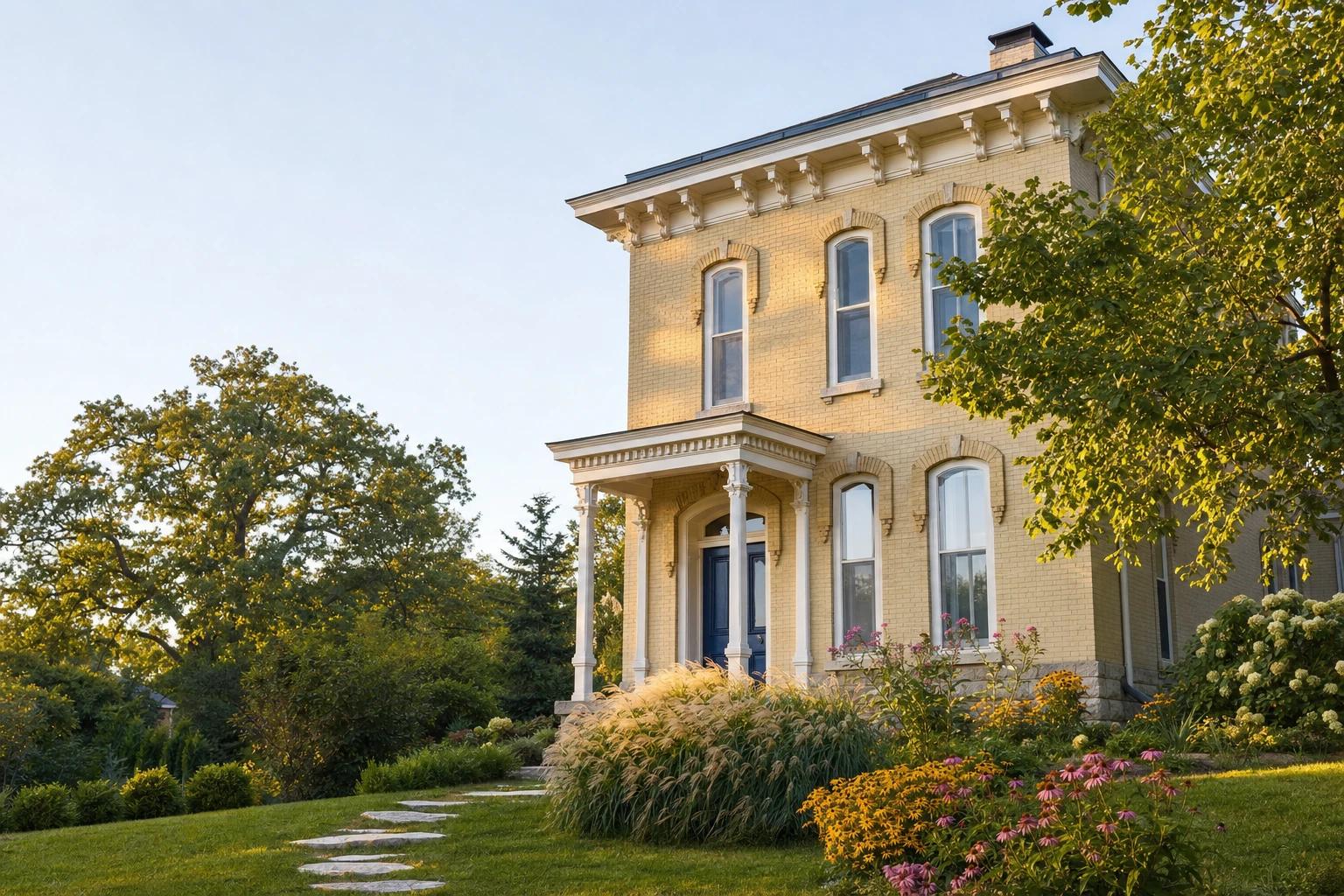

Cleaner ducts. Clearer dryer vents.
Every visit starts with a look at your system, so the work matches what your home actually needs.
- Supply & return ducts
- Registers & grilles
- Dryer vent lines
- Exterior vent hoods
How it works
What a Cleaning Visit Looks Like
A straightforward sequence, adjusted to your home and the service you choose.
- 1
Inspect
We look at the accessible ductwork or dryer vent run, note access points, and confirm the scope with you.
- 2
Protect & prepare
Floors and furnishings near the work area are covered, and registers or vent openings are prepared.
- 3
Clean
Accumulated dust, debris, or lint is loosened and removed from the components in scope using professional equipment.
- 4
Verify & review
We check the result, reassemble what was opened, and walk you through what we found and anything outside our scope.
Cities
Where We Work in Wisconsin
City pages list local details for areas where coverage is confirmed.
FAQ
Wisconsin Questions
- Wisconsin guide
Wildfire Smoke Days and Your Furnace Filter: What Wisconsin Homeowners Can Do
When wildfire smoke drifts into Wisconsin, a practical step for homes with a forced-air system is to filter the air the system already moves: keep windows and doors closed, use the highest-efficiency filter your system can handle (EPA suggests MERV 13 if possible), and run the fan. Duct cleaning isn't a smoke remedy; consider it only if you see the specific signs EPA describes.
Read the guide
How do I know if my Wisconsin address is in your area?
Enter your ZIP code in the estimate form. We confirm availability for each address before scheduling. This page isn't a promise that every Wisconsin community is covered.
What affects the estimate?
Home size and layout, the number of furnaces or air handlers and registers, whether it's a single-family home or a duplex, how the ducts and dryer vent can be reached, and the vent's length and exit point. Prices depend on those details, so we don't list them here.
How long does a visit take?
There isn't a standard length we can promise. It depends on the size of the home, the number of systems, access, and whether you book duct cleaning, dryer vent cleaning or both. We'll give you an estimate of time once we know those details.
With winters this long, should Wisconsin ducts be cleaned every year?
No. A long heating season isn't by itself a reason to clean on a schedule. EPA does not recommend cleaning air ducts routinely, only as needed. It does recommend having fuel-burning furnaces inspected and serviced before each heating season, which is a separate job for an HVAC technician.
Source: U.S. EPA: Should You Have the Air Ducts in Your Home Cleaned?
Do you work on gas or propane appliances?
No. Census data show about 65% of occupied Wisconsin homes heat mainly with utility gas and about 12% with bottled or tank gas such as propane. Gas lines, burners and appliance repairs belong to a qualified HVAC or appliance technician; we clean ducts and dryer vents only.
Source: U.S. Census Bureau: ACS 2024 1-year, Table DP04 (Wisconsin, Milwaukee)
Is Wisconsin Air Duct Pros a separate company?
No. It's the name USA Air Duct Pros uses on its Wisconsin pages, not a separate company, office or branch.
Request an appointment
Tell Us About Your Home
Two quick steps. We'll follow up to confirm availability and details for your address.
- 1We review your requestYour details go to the team for your area and to SEO Office OS, our own website-measurement app.
- 2We contact youWe confirm availability, what's covered for your home, and any questions about access.
- 3You decideNothing is scheduled until you've confirmed the details with us.