
 Washington Air Duct Pros
Air duct & dryer vent cleaning
Dryer Vent and Air Duct Cleaning for Washington Homes, Ducted or Not
Washington Air Duct Pros is the Washington name of USA Air Duct Pros, focused on two services: dryer vent cleaning and air duct cleaning. To check availability, enter your ZIP code in the estimate form — we confirm your address is in an area we serve before scheduling.
$99 Basic Air Duct Cleaning + FREE Inspection | $79 Basic Dryer Vent Cleaning
- Inspection before cleaning
- Floors & furnishings protected
- Air ducts & dryer vents
- Scope confirmed in your estimate
 Illustrative image
Choose Your Cleaning Service
Two basic cleaning options. Choose the service you need and request an appointment.
Basic Air Duct Cleaning
$99Basic cleaning with an inspection included at no extra charge.
FREE Inspection Included
We confirm exactly what's covered for your home when we contact you, before any appointment is scheduled.
Available in confirmed service areas. We confirm availability for your address before scheduling.
Get the $99 OfferSee What's Included
Basic Dryer Vent Cleaning
$79Basic dryer vent cleaning.
We confirm exactly what's covered for your home when we contact you, before any appointment is scheduled.
Available in confirmed service areas. We confirm availability for your address before scheduling.
Get the $79 OfferSee What's Included
The free inspection is included with Basic Air Duct Cleaning only.
Washington services
Air Duct & Dryer Vent Cleaning in Washington
Two focused services with a clear scope — here's what each involves for homes in the state.
Air Duct Cleaning
Before booking duct cleaning in Washington, it helps to confirm what kind of system you have. Forced-air furnaces and ducted heat pumps move air…
Learn more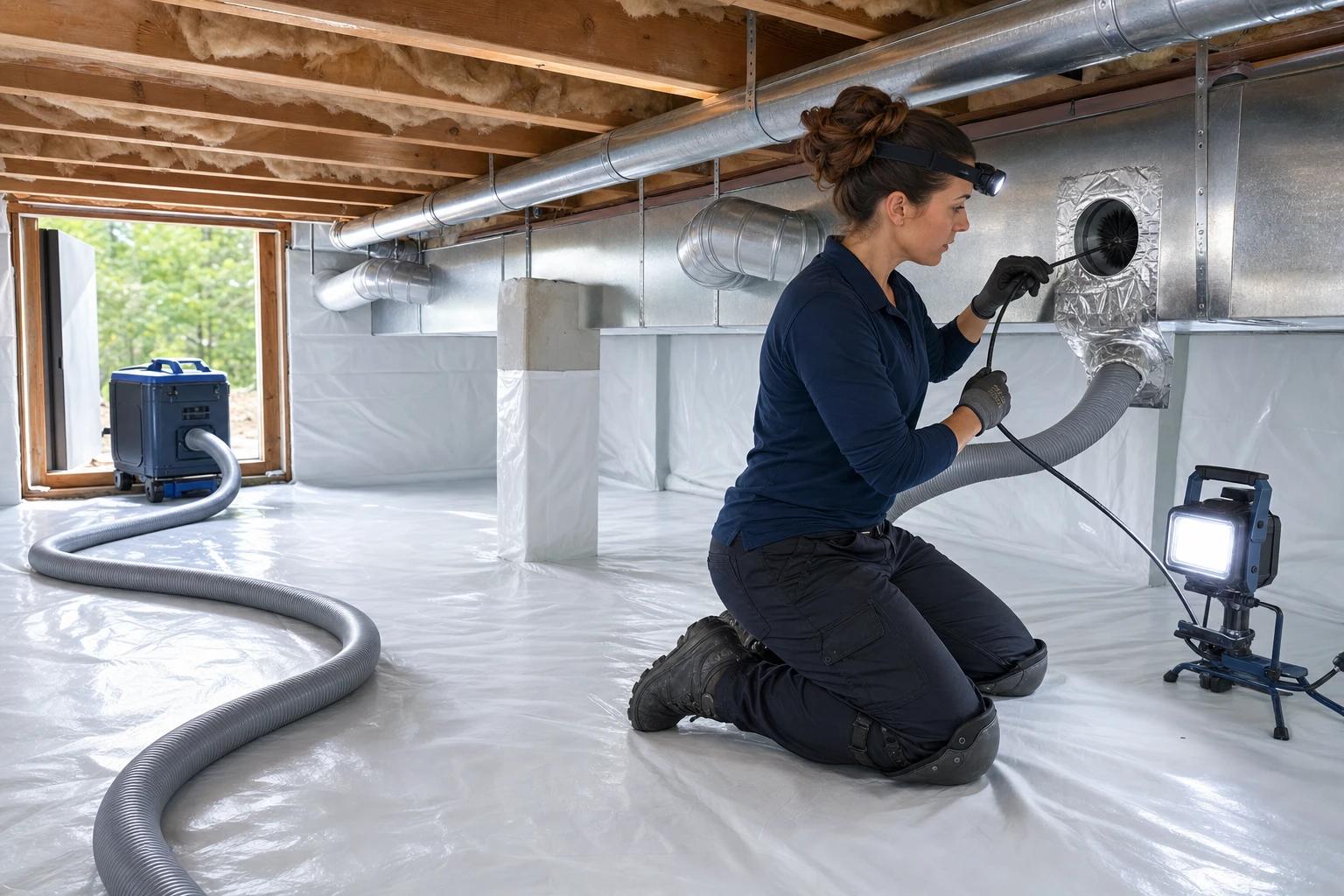
Dryer Vent Cleaning
Fire safety guidance from the State Fire Marshal's Office, published by the Washington State Patrol, puts it plainly: the leading cause of home…
Learn more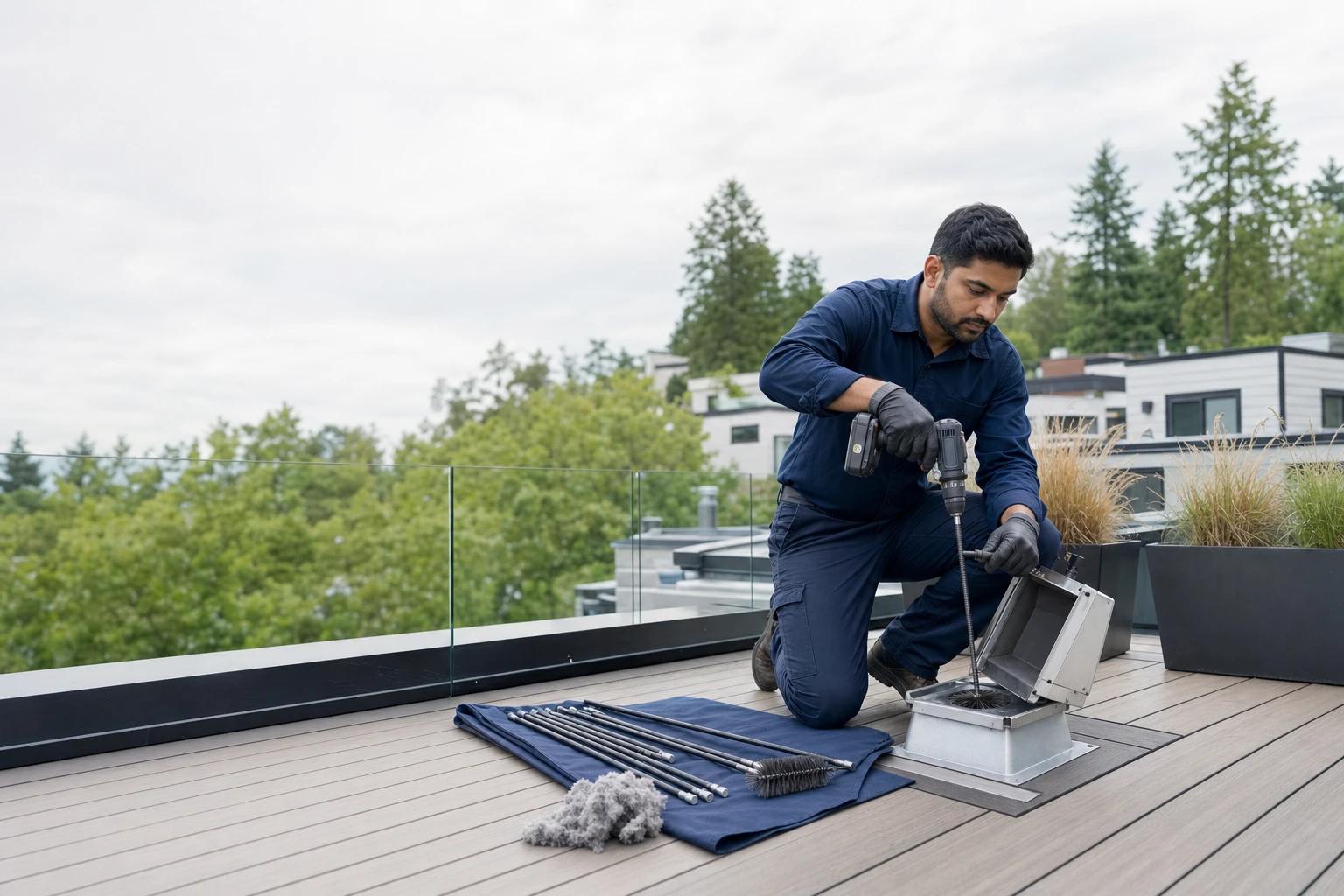
Local to Washington
What Washington Homes Have in Common
West of the Cascades, east of the Cascades
Washington's climate splits along the mountains. NOAA's state climate summary notes that Pacific moisture brings frequent precipitation west of the Cascades, while temperatures in the central and eastern parts of the state are less moderated by the ocean and swing more widely through the year. Most of the state's precipitation falls in winter.
The federal county climate map reflects that split: King, Pierce, Snohomish, and Clark counties are in a marine zone (IECC 4C), Spokane County is in a cold zone (5B), and a few northeastern counties are colder still (6B).
In broad terms, that means milder winters and cooler summers on the west side, and bigger seasonal swings on the east side. How much a system runs affects how quickly its filter loads up — one more reason EPA recommends cleaning ducts only as needed rather than on a fixed schedule.
| County (examples) | IECC 2021 climate zone | Building America region |
|---|---|---|
| King, Pierce, Snohomish, Clark | 4C | Marine |
| Spokane | 5B | Cold |
| Ferry, Stevens, Pend Oreille | 6B | Cold |
Sources: NOAA State Climate Summaries 2022 — Washington; PNNL for U.S. DOE Building America — Guide to Determining Climate Zones by County (IECC 2021 updates); U.S. EPA — Should You Have the Air Ducts in Your Home Cleaned?
Summer wildfire smoke
NOAA's climate summary describes wildfires during the drier summer months as a particular concern for Washington; in 2015, more than 1 million acres burned — more than six times the average.
For homes with central heating and cooling, the Washington State Department of Health recommends a MERV 13 filter or the highest-rated filter your system can handle, choosing the deepest pleat your system can accommodate to avoid straining it. DOH also advises setting the fan to recirculate and to run continuously ("on," not "auto"), making sure the filter fits tightly, and replacing it when dirty. If you're unsure what your system can handle, DOH suggests checking the HVAC manual or asking an HVAC professional.
Sources: NOAA State Climate Summaries 2022 — Washington; Washington State Department of Health — Protect Yourself and Others: Smoke From Fires
Not every Washington home has ducts
Washington homes are heated in many different ways. Some use a furnace or heat pump that moves air through supply and return ducts; others use systems with no ductwork at all, such as electric baseboard or wall heaters and ductless heat pumps. A Building America study by the Washington State University Energy Program, for example, looked at new homes in Tacoma heated entirely with ductless heat pumps, electric baseboard heaters, and fan-assisted wall heaters.
Zonal heating is not rare, either: the same 2016 study reports that Tacoma Public Utilities counted approximately 22,000 zone-heated homes in its service territory. If your home has no ducts, there's nothing to duct-clean — but if you have a clothes dryer, you still have a dryer vent that needs regular attention.
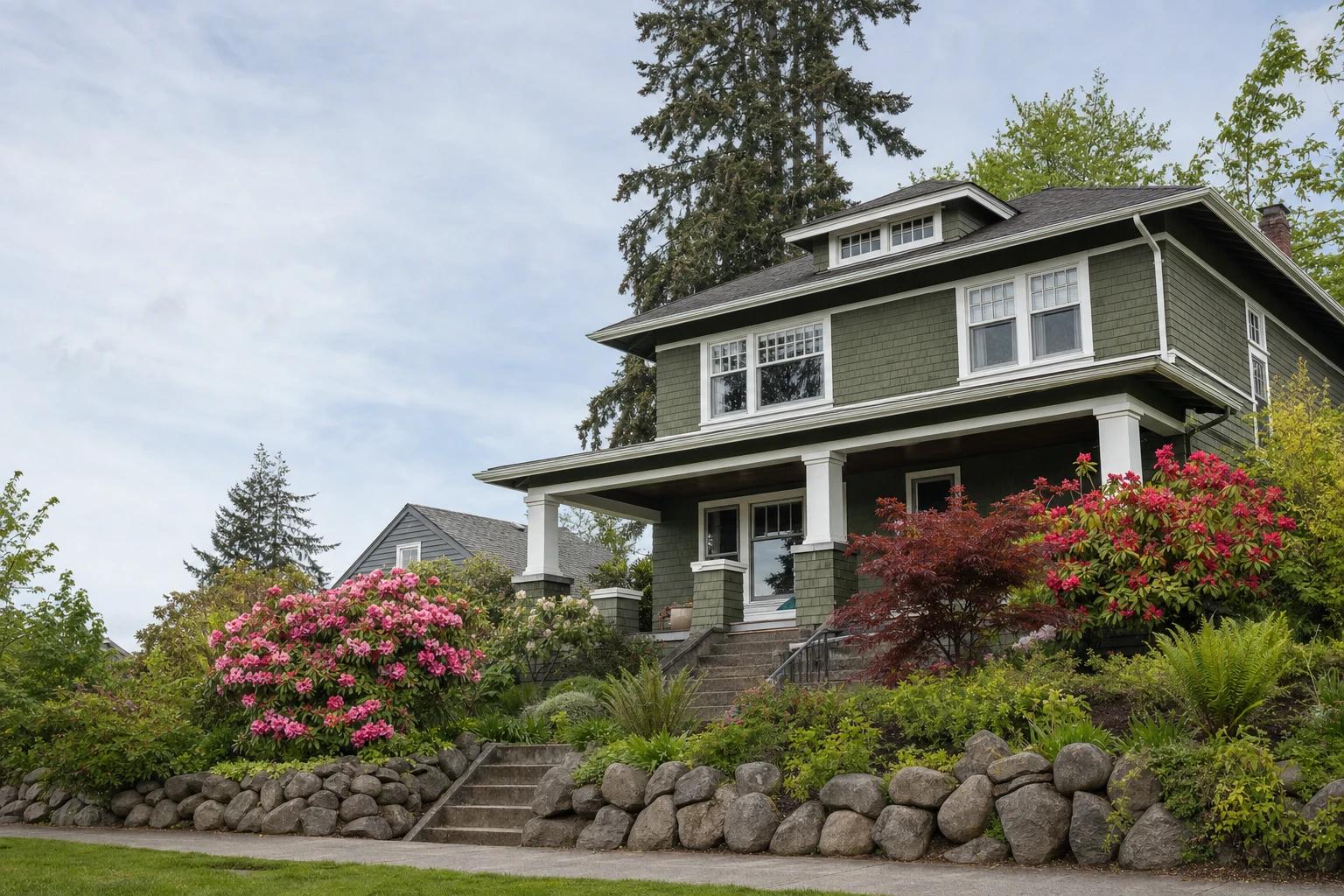

Cleaner ducts. Clearer dryer vents.
Every visit starts with a look at your system, so the work matches what your home actually needs.
- Supply & return ducts
- Registers & grilles
- Dryer vent lines
- Exterior vent hoods
How it works
What a Cleaning Visit Looks Like
A straightforward sequence, adjusted to your home and the service you choose.
- 1
Inspect
We look at the accessible ductwork or dryer vent run, note access points, and confirm the scope with you.
- 2
Protect & prepare
Floors and furnishings near the work area are covered, and registers or vent openings are prepared.
- 3
Clean
Accumulated dust, debris, or lint is loosened and removed from the components in scope using professional equipment.
- 4
Verify & review
We check the result, reassemble what was opened, and walk you through what we found and anything outside our scope.
Cities
Where We Work in Washington
City pages list local details for areas where coverage is confirmed.
FAQ
Washington Questions
- Washington guide
How Often Should You Clean a Dryer Vent? Washington's Fire Safety Guidance
Washington State Patrol's fire safety guidance recommends cleaning the lint filter before and after each load, cleaning lint out of the vent pipe every three months, and having the dryer cleaned by a professional — especially if clothes take longer than normal to dry. Damp clothes after a normal cycle, or weak airflow at the outside vent, mean the vent may need attention sooner.
Read the guide
How do I find out whether you serve my address?
Enter your ZIP code in the estimate form. Washington Air Duct Pros confirms whether your address is in an area we serve before anything is scheduled.
What information helps you prepare an estimate?
Tell us what heats and cools your home (furnace, ducted heat pump, or a mix), how many systems and vents you have, and where the ductwork runs — crawlspace, attic, basement, or inside finished space. For the dryer vent, it helps to know roughly how long the run is and whether it exits through a wall or the roof. In condos and townhomes, building or HOA rules about access to shared walls and roofs can matter too.
How long does an appointment take?
That depends on the home — the number of systems and vents, how easy the ducts are to reach, and the dryer vent route. Once we know those details, we can give you a better idea.
Do you remove mold or apply disinfectants?
No. Routine chemical treatments aren't part of our cleaning, and we don't diagnose or remove mold. EPA notes that something that looks like mold can only be positively identified by an expert, possibly with laboratory analysis — so if you suspect mold, have a qualified professional assess it.
Source: U.S. EPA — Should You Have the Air Ducts in Your Home Cleaned?
Is Washington Air Duct Pros a local branch?
No. Washington Air Duct Pros is the name USA Air Duct Pros uses for its Washington pages. It isn't a separate company, office, or branch.
Request an appointment
Tell Us About Your Home
Two quick steps. We'll follow up to confirm availability and details for your address.
- 1We review your requestYour details go to the team for your area and to SEO Office OS, our own website-measurement app.
- 2We contact youWe confirm availability, what's covered for your home, and any questions about access.
- 3You decideNothing is scheduled until you've confirmed the details with us.