
 New York Air Duct Pros
Air duct & dryer vent cleaning
Clear Answers on Duct and Dryer Vent Cleaning for New York Homes
New York Air Duct Pros is the local name USA Air Duct Pros uses for its New York pages about home air duct and dryer vent cleaning. To find out whether we can reach your address, enter your ZIP code and request an estimate; availability is confirmed before anything is scheduled.
$99 Basic Air Duct Cleaning + FREE Inspection | $79 Basic Dryer Vent Cleaning
- Inspection before cleaning
- Floors & furnishings protected
- Air ducts & dryer vents
- Scope confirmed in your estimate
 Illustrative image
Choose Your Cleaning Service
Two basic cleaning options. Choose the service you need and request an appointment.
Basic Air Duct Cleaning
$99Basic cleaning with an inspection included at no extra charge.
FREE Inspection Included
We confirm exactly what's covered for your home when we contact you, before any appointment is scheduled.
Available in confirmed service areas. We confirm availability for your address before scheduling.
Get the $99 OfferSee What's Included
Basic Dryer Vent Cleaning
$79Basic dryer vent cleaning.
We confirm exactly what's covered for your home when we contact you, before any appointment is scheduled.
Available in confirmed service areas. We confirm availability for your address before scheduling.
Get the $79 OfferSee What's Included
The free inspection is included with Basic Air Duct Cleaning only.
New York services
Air Duct & Dryer Vent Cleaning in New York
Two focused services with a clear scope — here's what each involves for homes in the state.
Air Duct Cleaning
Air duct cleaning applies to homes with forced-air ductwork: a furnace, a central air conditioner, or a ducted heat pump moving air through supply…
Learn more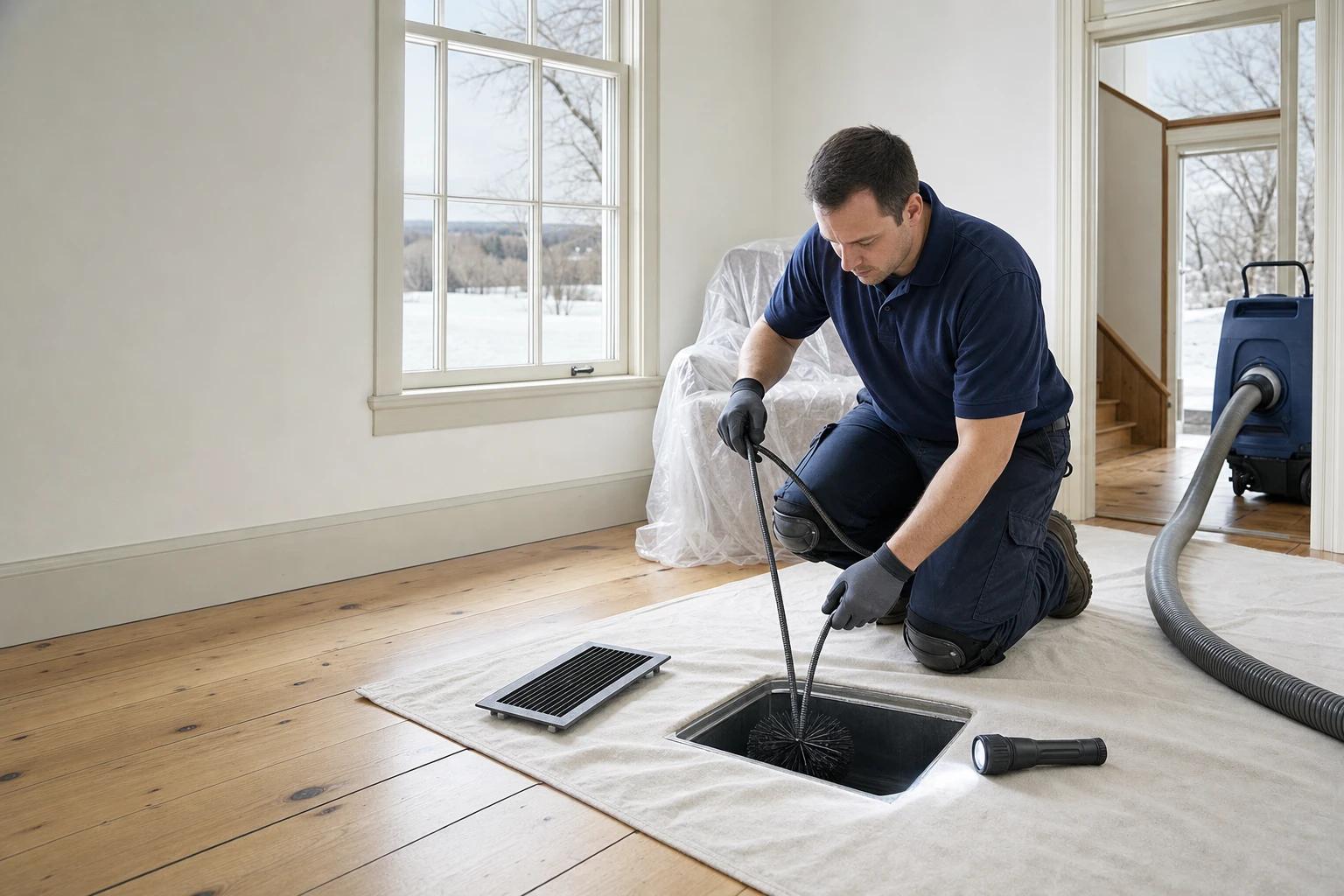
Dryer Vent Cleaning
Dryer vent cleaning removes lint from the duct between your dryer and the outdoors and checks that the exterior hood opens and closes freely. It…
Learn more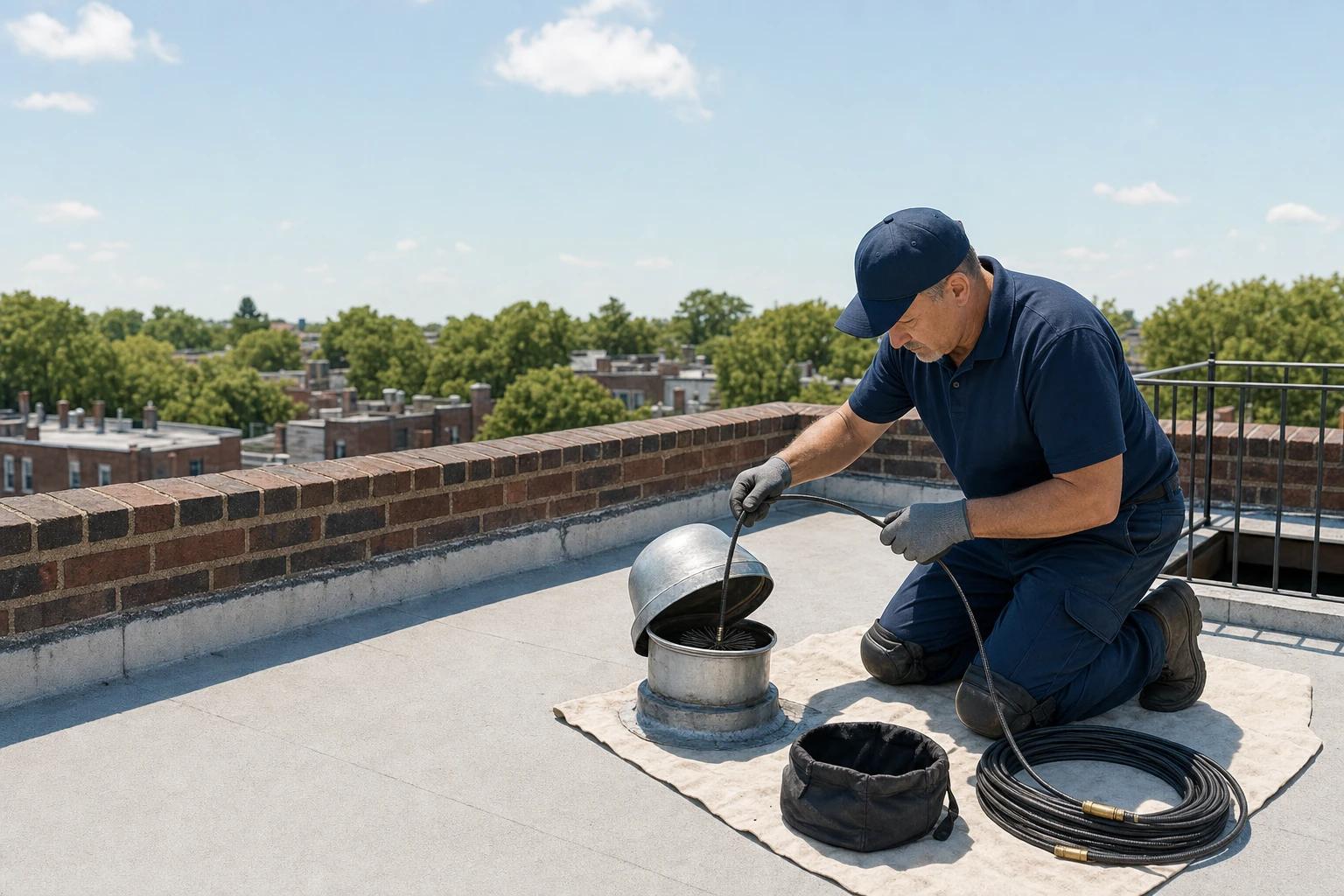
Local to New York
What New York Homes Have in Common
Three climate zones, lake-effect snow, and nor'easters
A 2015 U.S. Department of Energy Building America guide places New York City's five boroughs and Nassau, Suffolk, and Westchester counties in the mixed-humid zone 4A. It puts 28 counties, including those around Buffalo, Rochester, Syracuse, and Albany, in the cold zone 5A, and the other 26, including the North Country, the Adirondacks, and much of the Southern Tier, in the colder zone 6A. Newer energy-code maps may assign some counties differently. In general, the colder the zone, the longer the heating season.
NOAA's state climate summary notes that the northern part of the state frequently gets heavy lake-effect snow; one November 2014 storm dropped more than 5 feet just east of Buffalo. Nor'easters can also produce crippling snowfall; the Blizzard of 1996 dropped more than 20 inches on New York City.
Heavy snow can bury a low exterior vent hood. New York's Division of Consumer Protection advises checking furnace and dryer vents on the outside of the house during and after heavy snowfalls and clearing snow from their openings.
Sources: U.S. DOE Building America: Guide to Determining Climate Regions by County (PNNL, 2015); NOAA NESDIS: New York State Climate Summary 2022; New York Department of State, Division of Consumer Protection: winter safety consumer alert (Dec. 21, 2022)
Old housing and a lot of large buildings
New York's housing is much older than the national average. Census Bureau survey data put the state's median year built at 1959, compared with 1981 nationally, and about 30% of New York homes were built in 1939 or earlier, versus about 11% of homes nationwide.
The state also has an unusual share of large apartment buildings: about 17% of housing units are in buildings with 50 or more units, compared with about 7% nationally, while about 41% are single-family detached houses.
In larger buildings, ventilation and dryer exhaust are often shared building systems run by an owner, board, or managing agent. These pages cover ductwork and dryer vents serving an individual home, so the building's rules come first.
Sources: U.S. Census Bureau: ACS 2024 1-year, Table B25035 (Median Year Structure Built); U.S. Census Bureau: ACS 2024 1-year, Table B25034 (Year Structure Built); U.S. Census Bureau: ACS 2024 1-year, Table B25024 (Units in Structure)
Radiators, window units, and ductless systems
Many New York homes have little or no ductwork. In the U.S. Energy Information Administration's 2020 Residential Energy Consumption Survey, about 35% of New York homes used a steam or hot-water boiler as their main heating equipment, compared with 8% nationally, and about 44% used a furnace.
Cooling follows a similar pattern: about 29% of New York homes used central air conditioning, compared with 67% nationally, while about 61% used individual units, a category that includes window and wall units, portable units, and ductless mini-splits.
Before booking duct cleaning, it helps to confirm that your home actually has a furnace, central air, or a ducted heat pump. If it doesn't, dryer vent cleaning may still apply.
Sources: U.S. EIA: 2020 RECS, Highlights for space heating in U.S. homes by state; U.S. EIA: 2020 RECS, Highlights for air conditioning in U.S. homes by state
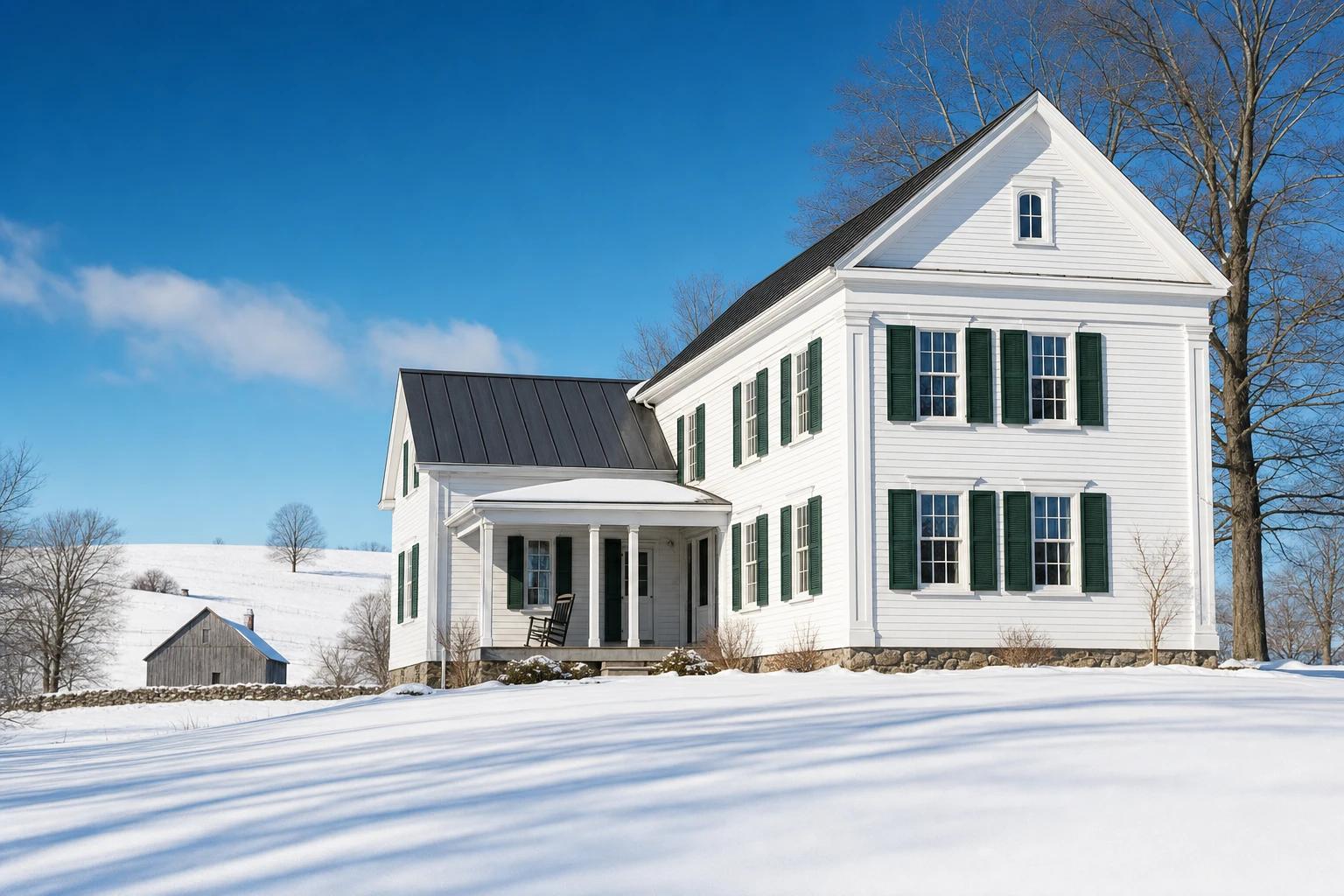

Cleaner ducts. Clearer dryer vents.
Every visit starts with a look at your system, so the work matches what your home actually needs.
- Supply & return ducts
- Registers & grilles
- Dryer vent lines
- Exterior vent hoods
How it works
What a Cleaning Visit Looks Like
A straightforward sequence, adjusted to your home and the service you choose.
- 1
Inspect
We look at the accessible ductwork or dryer vent run, note access points, and confirm the scope with you.
- 2
Protect & prepare
Floors and furnishings near the work area are covered, and registers or vent openings are prepared.
- 3
Clean
Accumulated dust, debris, or lint is loosened and removed from the components in scope using professional equipment.
- 4
Verify & review
We check the result, reassemble what was opened, and walk you through what we found and anything outside our scope.
Cities
Where We Work in New York
City pages list local details for areas where coverage is confirmed.
FAQ
New York Questions
- New York guide
Snow, Ice, and Your Dryer Vent: A Winter Checklist for New York Homes
In much of New York, heavy snow can cover a low exterior dryer vent hood. New York's Division of Consumer Protection advises checking dryer and furnace vents during and after heavy snowfalls and clearing snow from the openings. A blocked gas dryer vent can let carbon monoxide build up indoors, and a blocked electric dryer vent is still a fire concern. Clearing snow is a quick homeowner task; vent cleaning deals with lint inside the duct, and the U.S. Fire Administration found failure to clean was the leading factor in residential dryer fires. No cleaning can guarantee a fire won't happen.
Read the guide
How do I find out whether you serve my address in New York?
Enter your ZIP code in the estimate form. We confirm availability for your specific address before scheduling. This page describes the service; it isn't a claim of coverage across New York State or in any particular city.
Is New York Air Duct Pros a separate company based in New York?
No. New York Air Duct Pros is the name USA Air Duct Pros uses for its New York pages. It isn't a separate company, and this page doesn't describe a local office.
What details help you prepare an accurate estimate?
Your heating and cooling type (boiler, furnace, central air, or heat pump), roughly how many supply and return registers you have, the building type (house, townhouse, or a unit in a larger building), where the dryer vent exits and whether it's easy to reach, and any building rules about access or contractors.
How long does a visit take?
It depends on the home: the number of systems and registers, how easy they are to reach, building access rules, and the dryer vent's length and route. Timing is discussed once those details are known.
Do you clean radiators, steam pipes, or ductless units?
No. The services are limited to air duct cleaning and dryer vent cleaning. Radiators, boilers, steam pipes, and ductless mini-split units are heating and cooling equipment, and their maintenance is handled by heating and HVAC contractors.
Request an appointment
Tell Us About Your Home
Two quick steps. We'll follow up to confirm availability and details for your address.
- 1We review your requestYour details go to the team for your area and to SEO Office OS, our own website-measurement app.
- 2We contact youWe confirm availability, what's covered for your home, and any questions about access.
- 3You decideNothing is scheduled until you've confirmed the details with us.