
 Minnesota Air Duct Pros
Air duct & dryer vent cleaning
Duct & Dryer Vent Cleaning for Minnesota's Long Heating Season
Minnesota Air Duct Pros is the Minnesota name of USA Air Duct Pros, offering air duct and dryer vent cleaning that is scoped after a look at your system. Enter your ZIP code in the estimate form and we'll confirm whether your address is in our service area before anything is scheduled.
$99 Basic Air Duct Cleaning + FREE Inspection | $79 Basic Dryer Vent Cleaning
- Inspection before cleaning
- Floors & furnishings protected
- Air ducts & dryer vents
- Scope confirmed in your estimate
 Illustrative image
Choose Your Cleaning Service
Two basic cleaning options. Choose the service you need and request an appointment.
Basic Air Duct Cleaning
$99Basic cleaning with an inspection included at no extra charge.
FREE Inspection Included
We confirm exactly what's covered for your home when we contact you, before any appointment is scheduled.
Available in confirmed service areas. We confirm availability for your address before scheduling.
Get the $99 OfferSee What's Included
Basic Dryer Vent Cleaning
$79Basic dryer vent cleaning.
We confirm exactly what's covered for your home when we contact you, before any appointment is scheduled.
Available in confirmed service areas. We confirm availability for your address before scheduling.
Get the $79 OfferSee What's Included
The free inspection is included with Basic Air Duct Cleaning only.
Minnesota services
Air Duct & Dryer Vent Cleaning in Minnesota
Two focused services with a clear scope — here's what each involves for homes in the state.
Air Duct Cleaning
In a Minnesota home, the furnace and its ductwork carry much of the year, and many households also run a humidifier or a dehumidifier. Minnesota Air…
Learn more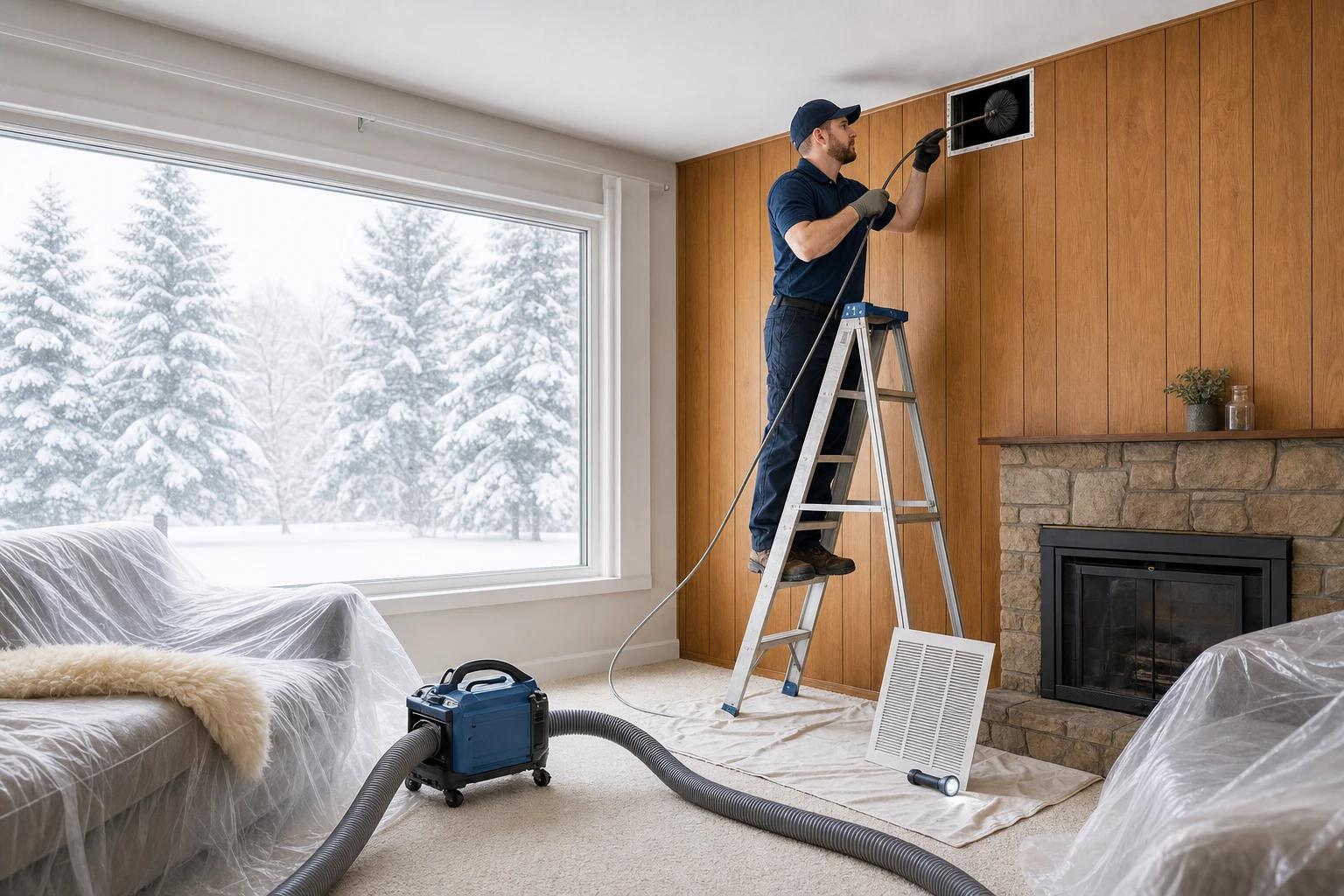
Dryer Vent Cleaning
Minnesota dryer vents deal with something many states rarely see: months of snow and ice at the outside hood. Minnesota Air Duct Pros cleans the…
Learn more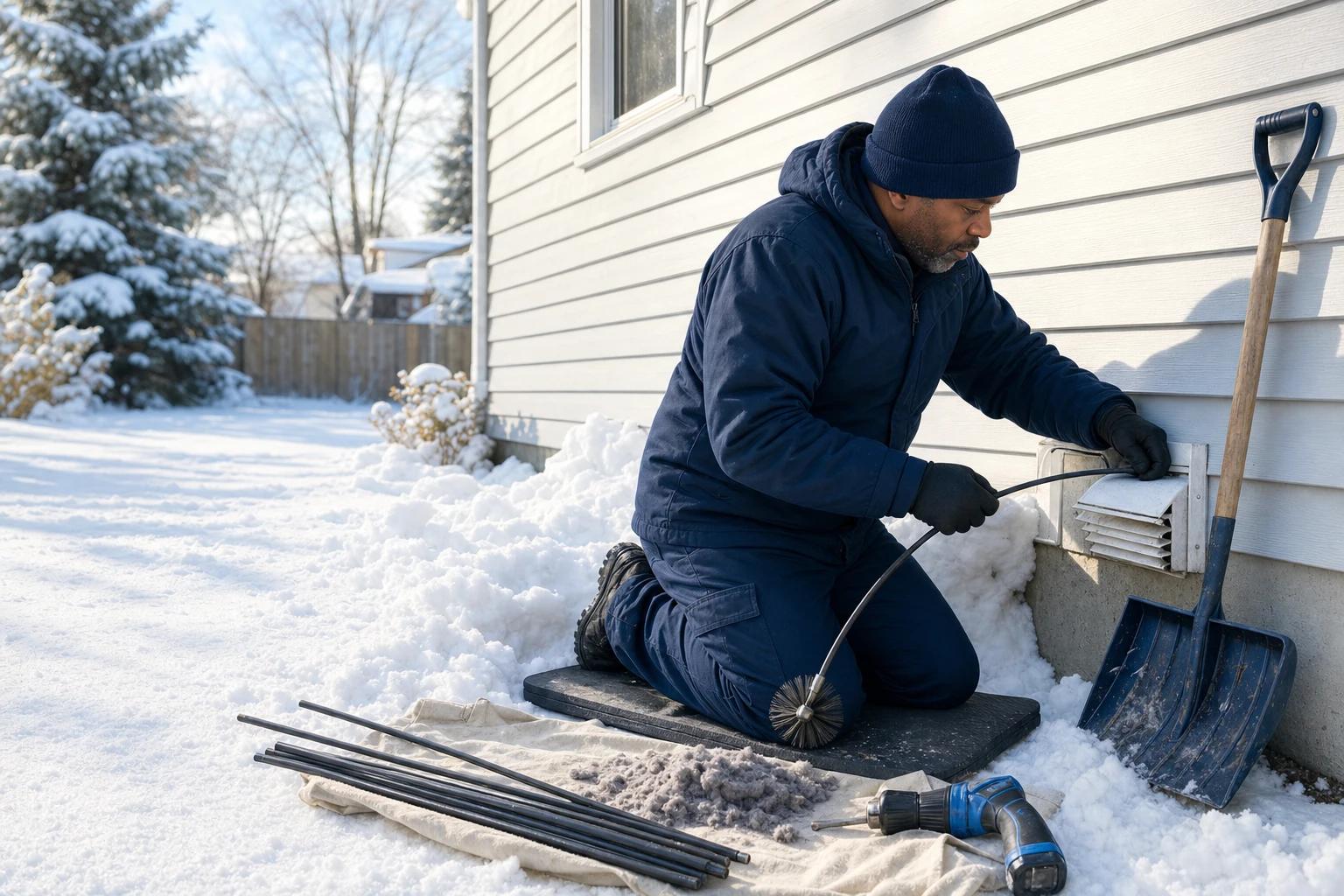
Local to Minnesota
What Minnesota Homes Have in Common
A long heating season, mostly in climate zones 6 and 7
Under the 2021 International Energy Conservation Code (IECC), most Minnesota counties — including Hennepin, Ramsey, Dakota, Washington and Olmsted — are in climate zone 6A, and much of northern Minnesota, including St. Louis County around Duluth, is in zone 7, the "very cold" zone. Three southeastern counties — Fillmore, Houston and Winona — moved from zone 6A to 5A in the 2021 update. NOAA's state climate summary describes Minnesota winters as cold in the south and frigid in the north.
Most homes heat with a furnace. In the U.S. Energy Information Administration's 2020 Residential Energy Consumption Survey (RECS), a furnace was the main heating equipment in about 73% of Minnesota homes, compared with about 60% nationally. A system that runs much of the year makes regular filter changes worthwhile, but it doesn't mean the ducts need cleaning on a schedule: EPA doesn't recommend routine duct cleaning, only cleaning as needed.
Sources: PNNL for U.S. DOE — Guide to Determining Climate Zones by County: Building America and IECC 2021 Updates (PNNL-33270, 2022); NOAA NCEI State Climate Summaries 2022 — Minnesota; U.S. EIA — 2020 Residential Energy Consumption Survey, state highlights: space heating; U.S. EPA — Should You Have the Air Ducts in Your Home Cleaned?
Basements, older homes, and joist-space returns
Basements are far more common here than in most of the country. RECS 2020 estimates that about 65% of Minnesota homes have a basement, compared with about 30% nationally, and the Census Bureau reports that half of the new single-family houses completed in the Midwest in 2025 had a full or partial basement.
Much of the housing is also old. In the Census Bureau's 2024 American Community Survey, about 15% of Minnesota housing units were built in 1939 or earlier — about 41% in Minneapolis and 42% in St. Paul — compared with 11.5% nationally.
That shapes how ductwork is reached. The U.S. Department of Energy notes that a furnace in the basement is usually easy to find, but also that builders sometimes use the spaces between floor joists as duct runs, especially for returns, and that some homes have no return ducts at all — just an intake grille on the furnace. Finished basement ceilings can hide branch runs, so the estimate notes what can and can't be reached.
Sources: U.S. EIA — 2020 Residential Energy Consumption Survey, state highlights: structural characteristics; U.S. Census Bureau — Characteristics of New Housing: type of foundation in new single-family houses completed; U.S. Census Bureau — American Community Survey 2024 1-year estimates, table B25034 (Year Structure Built); U.S. DOE — Improving the Efficiency of Your Duct System
Snow, ice, and exterior vent hoods
NOAA puts average annual snowfall at 30 to 70 inches over most of Minnesota, with values near 90 inches along the Lake Superior shore. Drifts and ice can cover low exterior vents on any side of a house.
The Minnesota State Fire Marshal advises clearing snow and debris from furnace, dryer, fireplace and oven vents in winter to prevent a carbon monoxide buildup. The Minnesota Department of Commerce adds that outside dryer exhaust vents should be checked monthly to make sure the flapper moves freely and no lint is blocking the opening.
Sources: NOAA NCEI State Climate Summaries 2022 — Minnesota; Minnesota State Fire Marshal — Carbon monoxide poisoning; Minnesota Department of Commerce — Clothes drying tips to save energy and stay safe
Wildfire-smoke summers and filter questions
Smoke from distant wildfires has become part of some Minnesota summers. The Minnesota Pollution Control Agency issued 22 air quality alerts covering 52 days in 2023, beating the previous record of 13 alerts over 42 days in 2021, with smoke from Canadian wildfires behind most of them.
For smoke days, EPA's advice centers on filtration: use a high-efficiency HVAC filter, such as one rated MERV 13, or as high a rating as your system's fan and filter slot can accommodate, and close the fresh-air intake or switch to recirculate if your system has one. EPA notes you may need an HVAC technician to tell you the highest-efficiency filter your system can handle. Duct cleaning isn't a substitute for filtration, and supplying or changing filters isn't part of our service.
Sources: Minnesota Pollution Control Agency — After record number of air quality alerts, even more hazy days expected (2023); U.S. EPA — Wildfires and Indoor Air Quality
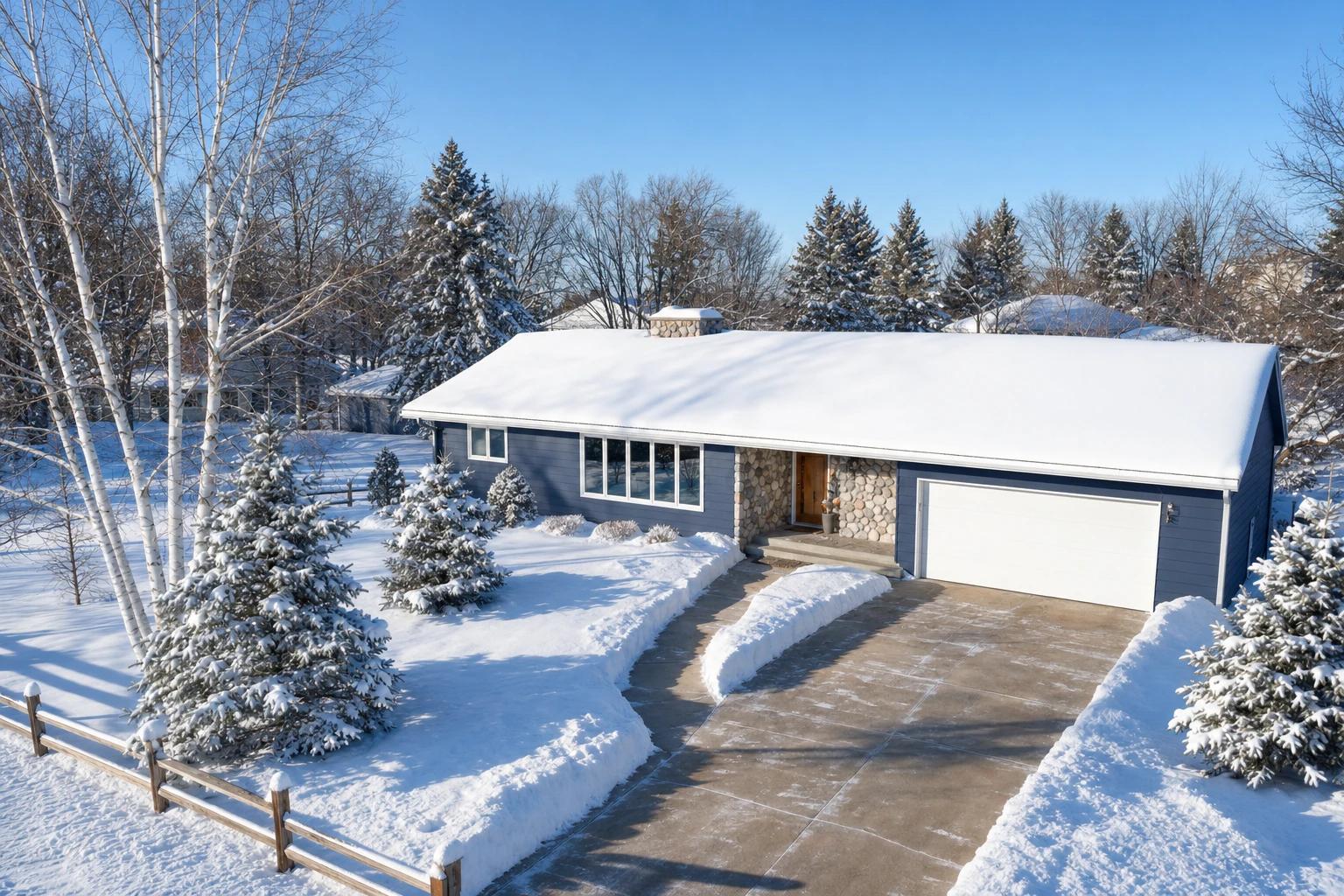
Cleaner ducts. Clearer dryer vents.
Every visit starts with a look at your system, so the work matches what your home actually needs.
- Supply & return ducts
- Registers & grilles
- Dryer vent lines
- Exterior vent hoods
How it works
What a Cleaning Visit Looks Like
A straightforward sequence, adjusted to your home and the service you choose.
- 1
Inspect
We look at the accessible ductwork or dryer vent run, note access points, and confirm the scope with you.
- 2
Protect & prepare
Floors and furnishings near the work area are covered, and registers or vent openings are prepared.
- 3
Clean
Accumulated dust, debris, or lint is loosened and removed from the components in scope using professional equipment.
- 4
Verify & review
We check the result, reassemble what was opened, and walk you through what we found and anything outside our scope.
Cities
Where We Work in Minnesota
City pages list local details for areas where coverage is confirmed.
Minneapolis
Hennepin County, Minnesota
St. Paul
Ramsey County, Minnesota
Rochester
Olmsted County, Minnesota
Bloomington
Hennepin County, Minnesota
Duluth
St. Louis County, Minnesota
Brooklyn Park
Hennepin County, Minnesota
Woodbury
Washington County, Minnesota
Lakeville
Dakota County, Minnesota
FAQ
Minnesota Questions
- Minnesota guide
Dryer Vents in a Minnesota Winter: Snow, Ice and the Outside Hood
In a Minnesota winter, the outside end of a dryer vent can be buried by snow, iced shut, or packed with lint behind the flap. The Minnesota State Fire Marshal advises clearing snow from dryer and other vents to prevent carbon monoxide buildup, and the Minnesota Department of Commerce recommends checking the outside flap every month. Keeping the hood clear is a quick homeowner task; if drying times have grown or lint keeps collecting at the hood, the vent run itself may need cleaning.
Read the guide
How do I find out whether you serve my part of Minnesota?
Enter your ZIP code in the estimate form. We confirm availability for your specific address before scheduling anything — this page describes the service, not a promise that every Minnesota community is covered.
Is Minnesota Air Duct Pros a separate local company?
No. Minnesota Air Duct Pros is the name USA Air Duct Pros uses for its Minnesota pages. It isn't a separate company, and this page doesn't describe a local office.
Is winter a bad time to schedule duct or dryer vent cleaning?
Not necessarily, but plan for two things. The heating system is turned off while ducts are cleaned, and the outside dryer vent hood has to be reachable, which can mean clearing a path through snow. Mention any access issues when you request an estimate.
What affects the estimate for a Minnesota home?
Mainly the size of the home, the number of supply registers and return grilles, how many heating and cooling systems there are, and how the ducts can be reached — for example, open basement ceilings versus finished ones. For dryer vents, it's the length and route of the vent, where it ends (a ground-level wall, an upper story or the roof), and any building rules in a condo or apartment.
Request an appointment
Tell Us About Your Home
Two quick steps. We'll follow up to confirm availability and details for your address.
- 1We review your requestYour details go to the team for your area and to SEO Office OS, our own website-measurement app.
- 2We contact youWe confirm availability, what's covered for your home, and any questions about access.
- 3You decideNothing is scheduled until you've confirmed the details with us.